As we settle into the deep freeze of June, Melburnians are doing everything possible to keep the warmth in. But have you noticed a layer of fog on your windows each morning, or perhaps a damp feeling on your walls? In the trade, we call this the June Condensation Crisis, and if left unchecked, it can turn a cosy home into a breeding ground for mould.
At Roze Air, we see a spike in call-outs this month from families worried about sweating walls. The good news is that your air conditioning system is actually one of the most powerful tools you have to fight back.
Why Does Condensation Happen in Winter?
Condensation occurs when warm, moist air inside your home hits a cold surface, like a window pane or an uninsulated wall. Because we seal our homes so tightly in winter to save on heating, that moisture—from cooking, showering, and even breathing—has nowhere to go.
If you are using old-fashioned portable gas heaters or plug-in electric bar heaters, you might actually be making the problem worse. These unvented heat sources don't circulate air; they simply warm up the existing damp air, increasing the humidity until it literally drips off your surfaces.
Reverse Cycle: The Secret Dehumidifier
Many people think air conditioners are only for drying out the air in summer. However, your reverse-cycle system is a master of moisture control all year round.
The Dry Mode Advantage: Most modern units installed by Roze Air feature a Dry Mode (often represented by a water drop icon on your remote). Running this for just 30 minutes a day can extract litres of water from your indoor air without significantly dropping the temperature.
Constant Air Circulation: Unlike a wall heater that creates hot spots, a split or ducted system keeps air moving. This prevents moisture from settling on cold corners and behind furniture where mould loves to hide.
Filter Technology: In 2026, the filters in your system do more than just catch dust; they help trap fungal spores that thrive in damp June conditions, keeping your family’s lungs clear.
A Roze Air Tip for a Dry Home
Being a family business, we know exactly how the local climate treats a house in June. Here is our rule for the month:
After you finish cooking dinner or taking a hot shower, don't just rely on the exhaust fan. Turn your main living area's air conditioner to a moderate 20°C with a medium fan speed. This forces the damp air to pass through the unit’s heat exchanger, which strips away the excess moisture and sends it outside through the drain pipe.
Is Your System Actually Draining?
One common issue we find in June is a blocked drain line. If your system is working hard to dehumidify but the water has nowhere to go, it can leak back into your wall cavity or internal unit.
As part of our local service, we check that your drainage is clear and your filters are sanitised. Because we operate with a lower price point than the big franchises, we make it affordable to get a professional winter wellness check before a small damp patch becomes a major mould renovation.
Don't let your walls sweat through the winter. Give us a call at Roze Air today to ensure your system is keeping your Victorian home dry, healthy, and warm.
When a Melbourne winter brings frost and biting winds, your Brivis ducted heating system becomes the heart of your home. Built to handle tough conditions, these reliable systems keep your household warm year after year. However, if your wall controller suddenly flashes an unexpected error code and shuts down, it can feel like a major setback. Booking scheduled heating system maintenance before winter ensures your unit runs at peak efficiency and helps prevent unexpected component lockouts when cold weather hits.
Understanding what your heater is trying to tell you is the fastest way to restore your warmth. Many common error codes point to simple, safe fixes you can check yourself before needing a professional service.
This handbook breaks down the most frequent Brivis error codes seen across legacy and modern units, helping you identify winter faults quickly
Understanding Common Brivis Error Codes & Fixes
When your Brivis system detects an operational fault, it displays a numeric or alphanumeric code on your Network, NC-6, or Touch controllers. Here is a diagnostic breakdown of the most common codes and how to address them:
Error Code 40, 41, or 42: Over-Temperature Faults
The Cause: The system's internal sensors have detected that the heat exchanger is getting too hot. To prevent thermal damage, the unit automatically shuts off the gas burners while keeping the fan running to cool down.
Common Triggers: Extremely dirty or clogged air return filters, closed floor or ceiling vents restricting system airflow, or furniture placed directly over heating registers.
The Fix: Turn the system off at the controller. Inspect your return air filter and wash or vacuum away accumulated dust. Ensure at least 80% of your home's floor vents are completely open. Allow the unit to cool down for 15 minutes before restarting.
If your unit displays persistent lockout errors like Code 40, 42, or 60, you should clear the area and immediately call a licensed Brivis service technician to safely inspect the gas valve and electrical components.
Error Code 46, 47, or 50: Ignition & Flame Failure
The Cause: The heater attempted to ignite the gas burners, but the flame sensor failed to detect a stable flame within the safety timeframe.
Common Triggers: A temporary interruption in your main gas supply, moisture or dirt buildup on the flame sensor rod, or a closed gas isolation valve near the heater.
The Fix: Verify that other gas appliances in your home (like your cooktop or hot water system) are working properly to confirm gas supply. Check that the manual gas valve next to your outdoor or roof-mounted unit is turned on. Reset the controller once. If the code persists after two reset attempts, turn the system off—the ignition component requires a technician's attention.
Error Code 60, 61, or 62: Combustion Fan or Pressure Switch Errors
The Cause: Brivis ducted heaters use a combustion fan to safely draw exhaust fumes out through the flue. These error codes indicate that the pressure switch has not detected the correct draft or airflow required to run the burners safely.
Common Triggers: Heavy winter winds blowing down the flue terminal, debris or bird nests blocking the flue pipe, or a failing pressure switch.
The Fix: Check the outdoor flue pipe from ground level to ensure it is clear of obstructions like hanging branches or storm debris. If severe winter weather is causing heavy downdrafts, wait for the wind to drop and reset the system. If the code returns on a calm day, the pressure switch or combustion fan will need servicing.
Error Code 68, 69, or 70: Communication Faults
The Cause: The signal between your internal wall controller and the main electronic circuit board inside the heater has been interrupted.
Common Triggers: Loose wiring connections, power surges during winter storms, or a blown fuse on the main control module.
The Fix: Locate your heater's main power switch (often a standard power point located near the heater in the roof space, under the floor, or in the outdoor unit casing). Turn the power off for 60 seconds, then switch it back on to force a hard system reboot.
Step-by-Step Guide: How to Safely Reset Your Brivis Controller
Before calling for repairs, performing a manual reset on your Brivis wall controller can clear temporary glitch codes:
Press the Reset Button: On most NC-6 or Network controllers, press the Reset button once (or press and hold the Fn button followed by 1 depending on your model).
Observe the Controller: The screen will clear and display a startup sequence. Give the unit 3 to 5 minutes to complete its ignition cycle.
Avoid Repeated Resets: If the controller clears the error and begins blowing warm air, the issue was likely a temporary lockout. However, if the error code reappears immediately or within a few minutes, do not continue resetting the unit. Repeated resets can flood the combustion chamber with gas or cause further electronic stress.
When to Book Professional Brivis Heater Repairs
While clearing a dirty filter or resetting a temporary communication fault is easy to handle at home, gas heating appliances require licensed expertise for internal mechanical and electrical work.
You should book a professional diagnostic service if:
The error code returns immediately after a single system reset.
You smell gas or a burnt, metallic odor near the heater or vents.
The system produces loud banging, squeaking, or whistling noises during ignition.
Your heater turns on briefly, clears the error code, but repeatedly shuts down throughout the day.
Expert Heating Solutions
Dealing with a flickering error code when you need warmth most can be frustrating. Regular servicing keeps your system running efficiently, reduces winter energy bills, and catches minor component wear before it leads to a sudden midpoint winter breakdown.
Whether you need urgent system diagnostics, routine preventative care, or reliable heating services in Melbourne, working with a trusted local team ensures your home stays warm and safe all winter long.
As a family-owned business, Roze Air delivers honest, high-quality heating support across Melbourne—providing exceptional service at a lower price point. Reach out to us today!
There is nothing quite as frustrating as stepping out of bed on a chilly Victorian morning, waiting for your heater to warm the house, and being greeted by a blast of freezing air. If your system has suddenly lost its warmth, you might be worried about costly ducted heating repairs.
The good news is that a unit blowing cold air does not always mean your system is completely broken. Before you book a call-out, running through a few simple checks can help you figure out what is happening—and in many cases, get the heat flowing again.
If you need to diagnose cold airflow fast, work through these three straightforward steps:
Check the Thermostat Calibration and Settings: Ensure your wall control is firmly set to Heat mode and that the set temperature is at least 3°C to 4°C higher than the current room temperature. If the thermostat batteries are dying or the sensor is covered in dust, it may wrongly register that your home is already warm, causing the system to blow unheated air.
Inspect the Pilot Light or Electronic Ignition: For gas ducted heating systems, cold air often points to an ignition failure. Check if the burner has lit. Older models rely on a continuous pilot light that may have blown out, while modern units use electronic ignition systems that can lock out if a gas valve or flame sensor encounters a glitch.
Account for Normal Fan Delays: If you have just turned the heater on, give it a few minutes. Most central heating systems incorporate a built-in fan delay feature. The internal fan stays off or runs at a low speed until the heat exchanger reaches the correct operating temperature. If the fan kicked on immediately, it would simply circulate cold air sitting in the ductwork.
Common Reasons Your Heating System Is Blowing Cold Air
If your initial troubleshooting steps do not resolve the issue, several underlying mechanical or electrical problems could be at play.
Blown Pilot Light or Ignition Failure: Gas ducted heaters rely on a steady ignition source to heat the gas passing through the burner. Drafts, dirt buildup on the thermocouple, or a faulty gas supply valve can prevent the burners from igniting. When the system senses no heat at the exchanger, it may run the fan as a safety protocol to clear unburnt gas, resulting in cool air circulating through your vents.
Overheating & Safety Limit Switch Tripping: Every central heating unit includes a safety limit switch designed to prevent catastrophic overheating. If airflow through your heater is restricted—usually due to heavily clogged air return filters or blocked floor registers—heat builds up inside the unit. The limit switch will automatically shut off the gas burners to prevent damage, but the supply fan will continue running to cool the system down, blowing cold air into your living areas.
Thermostat & Sensor Errors: A miscalibrated thermostat or a faulty sensor will send mixed signals to your control board. If the sensor incorrectly reads the room temperature as warm, it will turn off the burners while the fan completes its cycle.
Leaky or Disconnected Ductwork: In some cases, the heater itself is functioning perfectly, but the warm air never reaches your rooms. If your ductwork in the roof space or under the floor has split, come unclipped, or been damaged by pests, warm air escapes into the wall cavities while freezing roof air gets drawn into the system.
Check your wall controller for any displayed error numbers and lookup your Brivis fault code in the user manual to pinpoint the exact issue before requesting service.
When to Call a Professional for Ducted Heating Repairs
While clearing a dirty return vent or resetting your thermostat is an easy DIY task, gas and electrical components require experienced hands. You should contact a qualified technician if:
The pilot light will not stay lit after following the manufacturer's reset process.
You hear unusual banging, squeaking, or rattling noises coming from the central unit.
Your heater turns on, blows warm air briefly, and then repeatedly shuts down (short-cycling).
You notice a musty odor or any smell of gas near the unit or vents.
Keep Your Home Warm with Roze Air
Dealing with a faulty heater during a cold snap is never pleasant, but you do not have to put up with shivering in your own living room. Whether you need an emergency diagnostic check, routine maintenance, or general heating and cooling, taking care of minor issues early prevents expensive breakdowns down the track. If your system experiences a persistent ignition failure or gas valve lockout, you should immediately contact a technician for expert Brivis heater diagnostics and repairs to safely restore your heating.
Heat Pump Hot Water Systems qualify Bacchus Marsh homeowners for Victorian Energy Upgrades rebates when replacing older water heaters, administered under the Essential Services Commission-regulated VEU program through accredited providers handling eligibility assessment and installation.
Bacchus Marsh homeowners access heat pump savings through the Victorian Energy Upgrades program, regulated by the Essential Services Commission, which discounts eligible reverse-cycle electric water heaters and space heaters replacing older gas or electric units. Roze Air, serving Bacchus Marsh from its Melbourne, Victoria base, guides clients through VEU-approved installations. New-build properties remain ineligible for these established-home incentives. Homeowners who delay miss out on point-of-sale discounts that reduce installation costs immediately. Rising energy prices continue to strain household budgets across Moorabool Shire.
Key Takeaways
The Victorian Energy Upgrades program provides rebates for heat pump hot water system upgrades in Bacchus Marsh, with amounts varying by system and eligibility.
VEU rebates cover energy-efficient upgrades but do not fund home battery systems directly for Victorian households.
Eligible Bacchus Marsh homeowners can access government rebates through the VEU program to reduce energy consumption and costs.
Heat pump hot water systems qualify as approved upgrades under the 2026 Victorian Energy Upgrades scheme for Bacchus Marsh residents.
What is the VEU heat pump rebate in Bacchus Marsh?
The Victorian Energy Upgrades Heat Pump Rebate provides Bacchus Marsh homeowners with direct discounts on energy-efficient heat pump systems. The Victorian Energy Upgrades (VEU) program, regulated by the Essential Services Commission, helps Victorians upgrade homes with energy-efficient products by offering discounts and rebates. Eligible households in Bacchus Marsh can access rebates for heat pump hot water system upgrades, with the exact amount depending on the system and installation. The program also covers replacing old gas ducted heaters with reverse cycle air conditioners, with potential savings that vary based on system size and installation specifics.
How does the rebate work for Bacchus Marsh properties?
The VEU program operates through accredited providers who manage the rebate application process. Roze Air, an authorized VEU provider serving Bacchus Marsh, guides homeowners through gas-to-electric conversions. The rebate applies as a point-of-sale discount, reducing the upfront cost immediately rather than requiring a post-installation claim.
What systems qualify for the rebate?
Eligible upgrades include:
Heat pump hot water systems — replacing electric or gas storage units
Reverse cycle air conditioners — replacing old gas ducted heaters
Split system heat pumps — for zoned heating and cooling
Heat pump hot water systems — replacing electric or gas storage units
Reverse cycle air conditioners — replacing old gas ducted heaters
Split system heat pumps — for zoned heating and cooling
The program supports long-term energy savings and emissions reduction goals for Bacchus Marsh, helping ensure lasting availability of rebates for residents planning energy-efficient upgrades.
How do you qualify for the heat pump rebate?
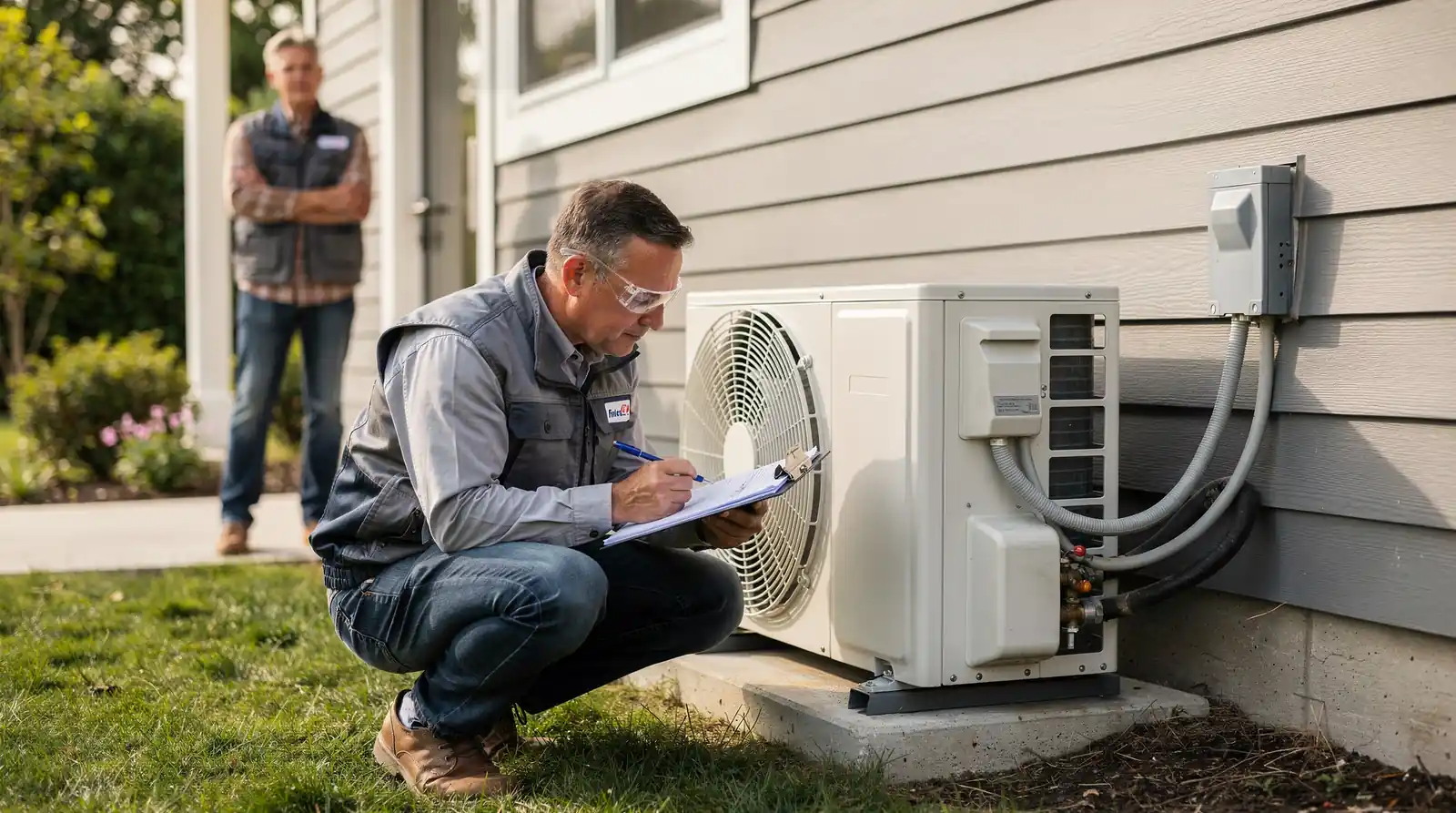
Qualifying for the Victorian Energy Upgrades Heat Pump Rebate requires homeowners in Bacchus Marsh to meet specific property and equipment criteria. The program applies exclusively to established residential properties undergoing system changeovers — new build constructions do not qualify. Roze Air assists local homeowners by verifying eligibility and managing the entire paperwork process.
Clients must replace an existing gas or electric heating or hot water system with an approved high-efficiency heat pump. The Victorian Energy Upgrades program supports long-term energy savings and emissions reduction goals, helping ensure lasting availability of rebates for Bacchus Marsh homeowners planning energy-efficient upgrades. Rebate amounts depend on system size, unit efficiency, installation costs, and any additional incentives available at the time of application.
What property types qualify for the heat pump rebate?
Only established residential properties within Bacchus Marsh and Moorabool Shire are eligible. Renters require written landlord approval before proceeding with any upgrades.
How does Roze Air simplify the qualification process?
Roze Air offers fixed upfront pricing with no hidden fees for all eligible Bacchus Marsh homeowners. The team conducts a site inspection, confirms system eligibility, and handles the VEU rebate submission directly with the program administrators.
Steps to qualify:
Contact Roze Air for a free property eligibility assessment.
Schedule a home inspection to confirm existing system age and type.
Select an approved heat pump system from the eligible product list.
Receive a fixed upfront quote detailing costs after the rebate deduction.
Approve the installation and authorize the rebate application submission.

Contact Roze Air for a free property eligibility assessment.
Schedule a home inspection to confirm existing system age and type.
Select an approved heat pump system from the eligible product list.
Receive a fixed upfront quote detailing costs after the rebate deduction.
Approve the installation and authorize the rebate application submission.
What steps do you take to claim your rebate?
Claiming the Victorian Energy Upgrades Heat Pump Rebate for a Bacchus Marsh property follows a straightforward process designed to reduce upfront costs at the point of sale. Roze Air handles the entire rebate application on behalf of the homeowner, eliminating paperwork delays. The program has helped more than 2.4 million Victorian homes since 2009, making it a well-established pathway for energy-efficient upgrades. Without professional assistance, homeowners risk application errors that delay savings or disqualify the upgrade entirely.
How does the point-of-sale discount work?
Eligible Bacchus Marsh homeowners do not pay the full system price upfront. The VEU rebate value is deducted directly from the invoice before payment. Roze Air's automated mobile dispatch pipeline ensures a qualified technician arrives quickly to complete the installation, after which the provider claims the rebate from the program administrator. Visit Roze Air to begin your assessment.
What is the step-by-step process?
Book an online assessment through us, which routes the request into the automated dispatch system for rapid scheduling.
Receive a fixed upfront quote that includes the VEU point-of-sale rebate deduction, showing the final out-of-pocket cost clearly.
Schedule the installation with a trained technician who handles premium brands like Mitsubishi Electric, Toshiba, and Panasonic.
Sign the installation paperwork confirming the upgrade meets program requirements — Roze Air submits the rebate claim on the homeowner’s behalf.
Enjoy the new system immediately; no waiting for a rebate cheque or reimbursement.
For detailed VEU rebates heating cooling guidance, connect with Roze Air today. Funding is limited — VEU incentives are issued on a first-come, first-served basis until annual program caps are reached, so acting quickly secures your savings.
Upgrading to a heat pump through the Victorian Energy Upgrade program represents a meaningful investment in your home's comfort and efficiency. Bacchus Marsh residents benefit from local expertise and transparent guidance throughout the conversion process, ensuring your transition from gas heating to clean electric technology proceeds smoothly. By partnering with experienced technicians who understand your region's climate demands, you position your household for long-term savings and environmental responsibility. The path forward starts with understanding your eligibility and exploring the rebate options available to you.
FAQ
How much can Bacchus Marsh homeowners save on a heat pump hot water system?
Eligible households can access rebates for heat pump hot water system upgrades under the Victorian Energy Upgrades program, with the exact amount depending on the system and installation. Contact Roze Air for a fixed quote based on your property.
Are new-build homes in Bacchus Marsh eligible for the VEU rebate?
No, the program applies exclusively to established residential properties undergoing system changeovers. New-build constructions remain ineligible for these established-home incentives.
When does the rebate discount apply to the installation cost?
The rebate applies as a point-of-sale discount, reducing the upfront installation cost immediately rather than requiring homeowners to submit a claim after installation.
As we settle into the deep freeze of June, Melburnians are doing everything possible to keep the warmth in. But have you noticed a layer of fog on your windows each morning, or perhaps a damp feeling on your walls? In the trade, we call this the June Condensation Crisis, and if left unchecked, it can turn a cosy home into a breeding ground for mould.
At Roze Air, we see a spike in call-outs this month from families worried about sweating walls. The good news is that your air conditioning system is actually one of the most powerful tools you have to fight back.
Why Does Condensation Happen in Winter?
Condensation occurs when warm, moist air inside your home hits a cold surface, like a window pane or an uninsulated wall. Because we seal our homes so tightly in winter to save on heating, that moisture—from cooking, showering, and even breathing—has nowhere to go.
If you are using old-fashioned portable gas heaters or plug-in electric bar heaters, you might actually be making the problem worse. These unvented heat sources don't circulate air; they simply warm up the existing damp air, increasing the humidity until it literally drips off your surfaces.
Reverse Cycle: The Secret Dehumidifier
Many people think air conditioners are only for drying out the air in summer. However, your reverse-cycle system is a master of moisture control all year round.
The Dry Mode Advantage: Most modern units installed by Roze Air feature a Dry Mode (often represented by a water drop icon on your remote). Running this for just 30 minutes a day can extract litres of water from your indoor air without significantly dropping the temperature.
Constant Air Circulation: Unlike a wall heater that creates hot spots, a split or ducted system keeps air moving. This prevents moisture from settling on cold corners and behind furniture where mould loves to hide.
Filter Technology: In 2026, the filters in your system do more than just catch dust; they help trap fungal spores that thrive in damp June conditions, keeping your family’s lungs clear.
A Roze Air Tip for a Dry Home
Being a family business, we know exactly how the local climate treats a house in June. Here is our rule for the month:
After you finish cooking dinner or taking a hot shower, don't just rely on the exhaust fan. Turn your main living area's air conditioner to a moderate 20°C with a medium fan speed. This forces the damp air to pass through the unit’s heat exchanger, which strips away the excess moisture and sends it outside through the drain pipe.
Is Your System Actually Draining?
One common issue we find in June is a blocked drain line. If your system is working hard to dehumidify but the water has nowhere to go, it can leak back into your wall cavity or internal unit.
As part of our local service, we check that your drainage is clear and your filters are sanitised. Because we operate with a lower price point than the big franchises, we make it affordable to get a professional winter wellness check before a small damp patch becomes a major mould renovation.
Don't let your walls sweat through the winter. Give us a call at Roze Air today to ensure your system is keeping your Victorian home dry, healthy, and warm.
As we move into June, the focus for many Victorian schools shifts from open-air sporting carnivals to the indoor comfort of the classroom. However, for school principals, business managers, and facility coordinators, winter brings a critical responsibility that goes beyond simple heating: ensuring your Essential Safety Measures (ESM) are compliant.
In Victoria, schools are generally classified as Class 9b buildings. This classification comes with a strict set of safety standards designed to protect students and staff. At Roze Air, we specialise in helping schools navigate these complex requirements with minimal disruption to the academic calendar.
Beyond the Thermostat: Climate and Concentration
Maintaining a school’s HVAC system is about more than just avoiding the cold. Research consistently shows that indoor air temperature directly impacts a student’s ability to concentrate and retain information. When a classroom is too cold, the body diverts energy to maintaining core temperature, leading to brain drain and reduced engagement.
By ensuring your systems are serviced before the June peak, you are protecting the school’s most important asset: the learning environment. A well-tuned system provides consistent, quiet warmth that allows teachers and students to focus on the curriculum, not the draughts.
The Importance of Reliable Component Audits
While we leave the fire-specific testing to the specialised fire technicians, Roze Air provides the essential mechanical maintenance that keeps your school’s heating infrastructure reliable:
Energy Efficiency Optimisation: Schools often face high energy bills in winter. We audit your units to ensure they aren't working overtime due to clogged coils or faulty sensors, keeping your operational costs down.
Airflow Integrity: We inspect ductwork and grilles to ensure air is being distributed evenly across the classroom. This prevents hot spots near the vents and dead zones at the back of the room.
Preventative Component Care: We check electrical connections and refrigerant levels to ensure your system won't fail on the coldest day of the year, avoiding the need for emergency portable heaters which can be a trip hazard in busy corridors.
Meeting VSBA Standards and Compliance
The Victorian School Building Authority (VSBA) and the Department of Education have clear guidelines regarding building maintenance and compliance. Schools must maintain an Annual Essential Safety Measures Report (AESMR) to prove that all systems have been tested by a qualified technician.
At Roze Air, we don't just fix heaters. We provide the documentation you need for your school council and regulatory audits. Our technicians are fully vetted with Working with Children Checks and police clearances, and we are registered providers familiar with the SAMS requirements for Victorian schools.
The Roze Air Approach to School Maintenance
We understand that a school is a busy, high-pressure environment. Our goal is to ensure your compliance is set and forget:
Twice-Yearly Servicing: We recommend a comprehensive service before winter and before summer to catch potential faults before they disrupt a school day.
Minimal Disruption: We schedule our major compliance testing during school holidays or after hours to ensure teachers and students can focus on learning.
Family Business Accountability: Because we are a local family business, you deal directly with us. We take the safety of our local Victorian schools personally.
Is your school’s ESM documentation up to date for the 2026 winter season? Contact Roze Air to discuss a tailored maintenance plan that keeps your students safe and your facility compliant.
In the middle of a Melbourne winter, we often look at our solar panels and think they are taking a well-deserved nap. With the sun sitting lower in the sky and those grey Melbourne clouds rolling in, solar output naturally drops. However, at Roze Air, we see May and June as the perfect time to change how you think about your energy.
With the right strategy and a modern reverse-cycle system, you can actually use the winter sun to heat your home for next to nothing.
The Thermal Mass Trick
Most people wait until they get home from work and the sun has gone down to crank up the heater. By then, your solar panels have stopped producing, and you are paying peak rates to the grid.
The secret to a $0.00 heating bill is Thermal Mass Warming. Instead of waiting for the evening, you set your air conditioner to run between 11:00am and 3:00pm—even if you aren't home. This allows your system to soak up the free power being generated by your rooftop panels to warm your floor, walls, and furniture. When you walk through the door at 5:00pm, the house is already cosy, and your system only needs to work in small, efficient bursts to maintain that temperature.
Is Your System Solar-Ready?
In 2026, air conditioning technology has evolved to play nicely with renewable energy. Modern systems are now designed with high-efficiency inverters that can modulate their power usage to match the fluctuating output of your solar panels.
Smart App Integration: Many of the systems we install allow you to monitor your solar production and adjust your heating via your smartphone in real-time.
Variable Speed Compressors: Unlike old units that are either full tilt or off, modern compressors can run at a very low capacity, drawing only the exact amount of power your solar is producing at that moment.
Grid Independence: By pairing a high-efficiency heat pump with solar, you are effectively future-proofing your home against rising gas and electricity prices.
Maximising Your May Sunshine
To make the most of the limited winter light, we recommend a few simple adjustments to your home:
Northern Exposure: Keep your north-facing curtains wide open during the day to let the sun assist your air conditioner in warming the slab or floor.
The 20-Degree Rule: Set your thermostat to 20°C during those solar hours. Pushing it higher than 21°C or 22°C can cause the system to draw more power than your solar can provide, forcing it to pull expensive electricity from the grid.
Seal the Leakage: Free solar heating is only effective if you keep it inside. Ensure your door seals are tight and your exhaust fans are closed when not in use.
The Roze Air Advantage
As a local family business, we know that every dollar saved on energy is a dollar that stays in your family’s pocket. We don’t just install a box on your wall; we help you understand how to use it to get the best return on your investment.
If you are curious about whether your current unit is efficient enough to run on solar, or if you are looking to upgrade to a system that will help you slash your winter bills, we are here to help. Our lower price point means you start saving on the installation, and our expert advice ensures you keep saving every time the sun shines.
Want to stop fearing your winter energy bill? Contact Roze Air today for a free quote on a solar-ready heating solution for your home.
As the autumn leaves settle and that familiar Melbourne chill begins to bite, our first instinct is to batten down the hatches. We seal the windows, roll out the draught stoppers, and close the doors tight to keep the precious warmth inside. But while you are keeping the cold out, you might be trapping an uninvited guest inside: poor indoor air quality.
At Roze Air, we call this the Invisible Roommate. When a home is sealed tight for winter, the air inside can become stagnant, recirculating dust, allergens, and moisture.
The Hibernation Effect
In 2026, we are spending more time than ever in climate-controlled environments. If your home cannot breathe, you might start feeling the Hibernation Effect—symptoms like unexplained fatigue, dry eyes, or a scratchy throat that seem to arrive the moment the heater goes on. This isn't just winter blues; it is often the result of elevated CO2 levels and airborne particulates that have nowhere to go.
Your AC is Secretly an Air Purifier
Many homeowners do not realise that their modern reverse-cycle air conditioner is capable of much more than just changing the temperature. High-quality systems installed today often feature advanced filtration technology:
HEPA-Grade Filters: These are designed to capture microscopic particles, including pollen and bacteria, ensuring the air you breathe is actually cleaner than the air outside.
Dehumidification (Dry Mode): Winter in Melbourne often brings dampness, which can lead to mould growth behind furniture or in corners. Running your system on dry mode periodically helps pull excess moisture out of the air without turning your living room into an ice box.
Ionisation Technology: Some 2026 models use charged ions to neutralise odours and deactivate viruses mid-air.
Roze Air Family Tips for Fresh Winter Air
Being a family business, we know exactly what it is like trying to keep a household healthy during flu season. Here are a few simple ways to keep your air fresh without losing your heat:
The Midday Flush: Open your windows for just ten minutes at midday when the sun is at its highest. This provides a necessary air exchange without letting the house get too cold.
Check Your Returns: Ensure your return air vents aren't blocked by rugs or furniture. If the air can't get into the system to be filtered, the Invisible Roommate stays put.
The Fan-Only Trick: On milder May days, run your system on fan-only mode. It uses very little power but keeps the air moving through your filters to strip out dust and dander.
Is Your System Ready?
If your filters haven't been looked at since last summer, they are likely working against you. A clogged filter doesn't just hike up your power bill; it becomes a breeding ground for the very dust you are trying to avoid.
As your local Melbourne experts, Roze Air offers affordable maintenance checks to ensure your filtration system is actually doing its job. We believe every Melbourne family deserves to breathe easy this winter, without the high price tag of the big corporations.
Give us call today today to book your winter wellness check and show your Invisible Roommate the door.
As a Melbourne homeowner, you naturally focus on the indoor comfort of your heating system. But what about the unsung hero that sits outside—your reverse cycle outdoor unit?
With the arrival of autumn in April, this unit becomes susceptible to the elements. Falling leaves, wind, and increasing moisture can quickly compromise its efficiency and lifespan.
At Roze Air, we know that protecting the outdoor unit now is key to preventing costly breakdowns when you need your heating the most. Here is a simple checklist to protect your system before the depths of winter arrive.
Autumn brings wind-blown leaves, dirt, and debris, which pose a major threat to your outdoor unit.
The Problem: Accumulations around or at the bottom of the unit choke off airflow. Since your reverse cycle system needs to draw in air to extract warmth, reduced airflow burdens the compressor, forces it to work harder, and increases your energy bills.
The Fix: Clear away all fallen leaves, grass clippings, twigs, and debris from around the outdoor condenser unit. Maintain at least a two-foot clearance around the unit to ensure unrestricted airflow. Trim any vegetation that is growing too close.
A summer of cooling means your condenser coils have collected dirt and dust, which compromises efficiency in both summer and winter.
The Problem: Dirty conditions trigger the rusting process, which damages the internal components of the outdoor unit.
The Fix: Turn off the power to your AC unit at the external switch first. Use a garden hose on a gentle setting to rinse away dirt from the condenser coil (avoid high-pressure sprays, as they can bend the delicate fins). This simple step enhances your unit's performance and efficiency.
The fluctuating temperatures and increasing dampness of autumn can stress the electrical components of your unit.
The Problem: Moisture and dirt can trigger rust and corrosion on internal components. This damage affects the unit's overall working efficiency and can cause breakdowns. Accumulating debris can also attract critters like squirrels, which can nibble on wires and tubes.
The Fix: While you shouldn't open the main electrical box, perform a visual inspection for any signs of rust or damage on the exterior casing. Ensuring the area is clear of debris also safeguards the unit against possible problems and fire hazards.
This is the most common question homeowners ask when putting their AC "to bed" for winter.
The Recommendation: Because reverse cycle units are used year-round for heating, they should not be covered completely. They need proper airflow to extract heat from the outside air.
The Alternative: If you must protect your unit from heavy leaf fall, use a top-only cover made of breathable material to shield the top from debris without restricting airflow. Trapping moisture with a plastic or non-breathable cover can cause rust and mould.
Taking these steps ensures your outdoor unit is protected from the elements and can operate efficiently in heating mode.
However, only a professional can check the essential internal components, such as refrigerant levels, electrical connections, and motor lubrication. Autumn is the ideal time to schedule this comprehensive maintenance.
As your local, family-owned business, Roze Air provides competitive, thorough Autumn Tune-Ups. We'll inspect your outdoor unit, clean the coils professionally, and check all safety controls, extending your unit's longevity and preventing costly emergency repairs in the middle of winter.
As April rolls around, Melbourne homeowners are sealing up windows and turning on the heat. But if you own a ducted system (reverse cycle or gas), closing your home for winter means you are about to recirculate every bit of dust, debris, and allergen that has collected inside your ductwork all year.
At Roze Air, we believe that clean heat is essential for a healthy home. We’re encouraging all our residential clients to consider the condition of their ducts this autumn, ensuring the air you breathe all winter is clean and safe.
Because your ductwork is hidden in your ceiling or under your floor, it's easy to forget about. However, during system operation, dust, air pollutants, and moisture accumulate, turning the ducts into a breeding ground for contaminants that compromise your indoor air quality.
Common hidden hazards include:
Dust and Allergens: This includes dust mites, pet dander, and pollen that has settled inside the ducts. When heating is on, these particles are dispersed throughout your home, potentially irritating your respiratory system and worsening allergy symptoms.
Mould and Mildew: Moisture from condensation (especially during summer cooling) creates an ideal environment for mould and mildew growth within the ductwork. Mould spores are then circulated by the system.
Pest Residue: Rodents, spiders, and insects sometimes seek shelter in ducts, leaving behind droppings and nests that contaminate the air.
In summer, you often have windows open. In winter, you seal up your home to retain heat. When your home is sealed, the air you breathe is continuously drawn through the ducts and recycled. If the ducts are full of debris from last year, your heating system simply spreads those particles, affecting those most vulnerable: children, the elderly, and anyone with asthma or allergies.
A professional duct clean removes this accumulated material, ensuring the warm air you receive is cleaner and healthier.
Dirty ducts don't just affect health; they affect your wallet.
Restricted Airflow: A heavy buildup of dust and debris creates blockages within the ducts, which restricts airflow.
System Strain: When airflow is restricted, your air conditioner or heater has to work much harder and run longer to push warm air through the home.
Cost Savings: By clearing these blockages, your system runs with less effort, which improves its energy efficiency and helps reduce those inevitable winter power bills.
Autumn is the ideal time to schedule a professional duct clean, before the heavy demand of winter heating truly begins.
While basic duct cleaning services in Melbourne generally range from $300 to $500 for an average home, the benefits—including improved air quality and up to 19% improvement in HVAC system efficiency—far outweigh the cost.
As a local, family business, Roze Air is committed to providing thorough, professional duct cleaning that gives you peace of mind and clean air at a fair price. We use specialised equipment to reach deep into your ductwork and remove contaminants.
Don't let your ducts become a hidden health hazard this winter. Contact Roze Air today to book your duct deep clean and breathe easier!